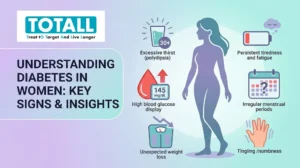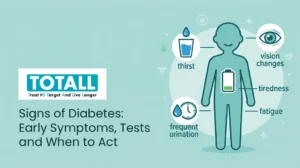
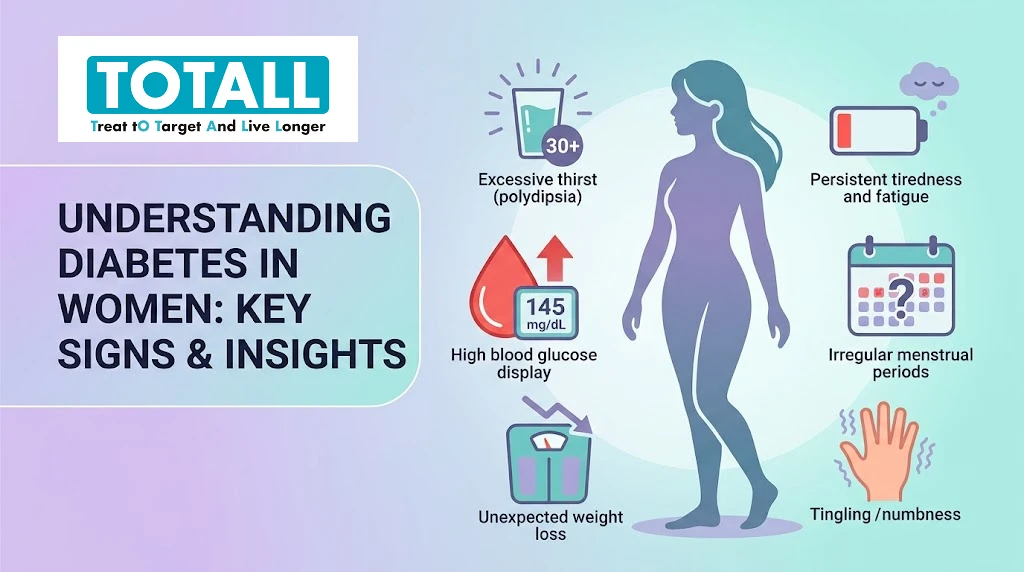
The signs of diabetes in women largely overlap with those seen in men: frequent urination, increased thirst, tiredness, hunger and blurred vision. Women may also experience recurrent vaginal yeast infections and urinary tract infections. PCOS, irregular periods and a history of gestational diabetes can indicate a higher risk of type 2 diabetes. These symptoms do not always mean diabetes, and some women have no noticeable symptoms for years.
In Indore and across Madhya Pradesh, recognising risk factors early can help women seek testing before complications develop. Tiredness, weight changes and irregular periods are sometimes attributed to stress, thyroid problems or menopause. Although these conditions can explain such symptoms, persistent or unexplained changes deserve proper medical assessment.
This guide explains the signs of diabetes in women, how symptoms may overlap with PCOS and menopause, what to know about pregnancy-related diabetes, and which tests to discuss with your doctor. If you live in Indore and are concerned about your blood sugar, the information below can help you decide when to seek professional advice.
Key points
- Frequent urination, increased thirst, fatigue and blurred vision are recognised symptoms of diabetes.
- Repeated vaginal yeast infections may be associated with high blood glucose, but infections alone cannot diagnose diabetes.
- PCOS and previous gestational diabetes increase the importance of regular blood sugar testing.
- In India, diabetes screening is important from age 30, with earlier assessment for people who have additional risk factors or symptoms.
- Pregnancy and the period after delivery require specific testing recommendations.
- Women in Indore can consult an endocrinologist or diabetologist for individualised assessment and treatment.
What this guide covers
- Common signs of diabetes in women
- Infections, skin changes and other symptoms
- Signs of diabetes in women by age
- PCOS and diabetes
- Periods, menopause and blood sugar
- Pregnancy and gestational diabetes
- Why diabetes may go undetected
- Heart health and diabetes in women
- Diabetes tests and screening recommendations
- Diabetes and hormone care in Indore
- महिलाओं में डायबिटीज के लक्षण: हिंदी में सार
- Frequently asked questions
- References
Common signs of diabetes in women
Diabetes occurs when the body cannot produce enough insulin or use insulin effectively. As blood glucose rises, the body may develop several symptoms. The same core symptoms can occur in women and men, although their severity varies from person to person.
- Frequent urination: You may need to pass urine more often, including during the night.
- Increased thirst: You may feel thirsty even after drinking fluids because excess glucose can cause water loss through urine.
- Persistent tiredness: You may feel unusually exhausted despite adequate sleep.
- Increased hunger: You may feel hungry more frequently than usual.
- Blurred vision: Changes in blood glucose can temporarily affect the eye’s ability to focus.
- Unexplained weight loss: Some people lose weight without trying, particularly when diabetes develops rapidly.
- Slow-healing wounds: Cuts, sores or skin infections may take longer to heal.
- Recurrent infections: Some people experience repeated skin, genital or urinary infections.
Not everyone with diabetes experiences all these symptoms. Type 2 diabetes can develop gradually and may remain unnoticed for years. Type 1 diabetes can develop more rapidly and requires urgent assessment when symptoms progress quickly.
For a detailed explanation of the classic symptoms and how diabetes is diagnosed, read our main guide to the signs of diabetes.
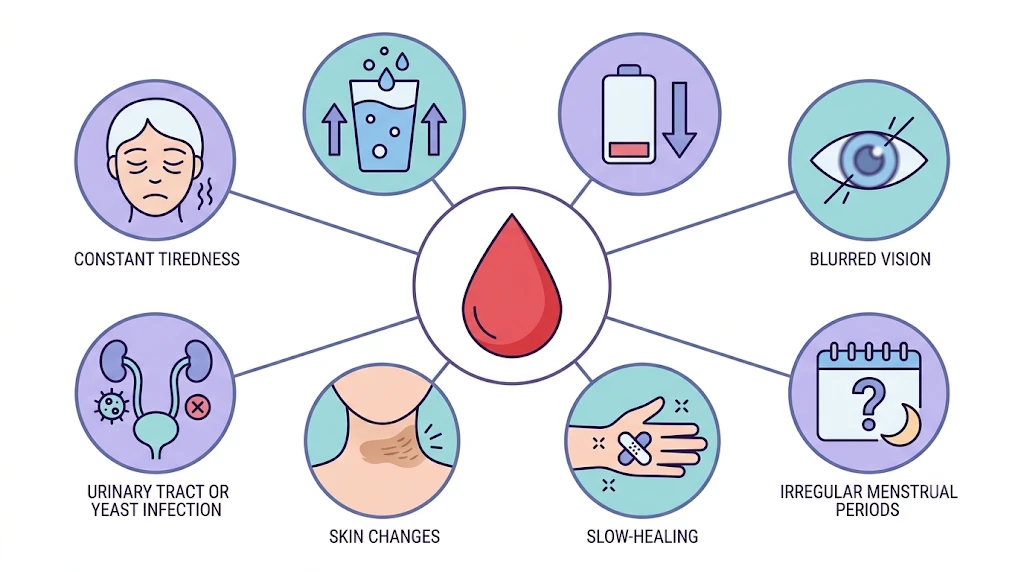
Signs of diabetes that are particularly relevant to women
Repeated vaginal yeast infections
Vaginal yeast infections are common and can occur for many reasons. However, high blood glucose can increase the risk of genital yeast infections in some women. Repeated infections, particularly alongside increased thirst, frequent urination or other diabetes risk factors, may justify blood glucose testing.
Symptoms can include vaginal itching, burning, redness, soreness and thick white discharge. These symptoms are not specific to yeast infections, so an appropriate clinical assessment is important, particularly when symptoms persist or keep returning.
A single infection does not mean you have diabetes. If infections repeatedly return after appropriate treatment, discuss the problem with your doctor and ask whether diabetes testing is appropriate.
Genital infections and diabetes medicines
Sodium-glucose cotransporter-2 (SGLT2) inhibitors are medicines used to treat type 2 diabetes and certain heart and kidney conditions. They increase the amount of glucose removed through urine and are associated with an increased risk of genital fungal infections.
If you take an SGLT2 inhibitor and develop genital itching, irritation or an infection, contact your treating clinician. Do not stop or change your medicine without medical advice. Severe genital pain, swelling, fever or rapidly worsening symptoms require urgent assessment.
Recurrent urinary tract infections
Urinary tract infections (UTIs) can cause burning during urination, an urgent need to urinate, frequent urination and discomfort in the lower abdomen. Some people also notice cloudy urine or blood in the urine.
UTIs are common in women for anatomical reasons, and diabetes may increase the risk of urinary infections or make some infections more complicated. However, recurrent UTIs have several possible causes and are not proof of diabetes.
If urinary infections keep returning, speak to a clinician about appropriate urine testing and whether blood glucose testing is also needed. Fever, pain in the back or side, vomiting or feeling seriously unwell can indicate a more significant infection and should be assessed promptly.
Genital itching and vaginal dryness
Persistent itching around the vulva may be related to yeast infections, skin irritation, eczema, hormonal changes or other conditions. High blood glucose can contribute to recurrent genital infections, but itching alone cannot identify the cause.
Vaginal dryness and discomfort during intercourse can occur around menopause and with certain medicines or medical conditions. If these symptoms persist, seek medical advice rather than assuming they are caused by diabetes or poor hygiene.
Skin and hair changes
Dark, velvety skin patches around the neck, armpits or other skin folds may indicate acanthosis nigricans, a condition associated with insulin resistance. Skin tags can also occur alongside insulin resistance, although neither finding confirms diabetes.
Dry, itchy skin and slow-healing wounds can occur in people with diabetes, but they have many other causes as well.
Hair changes need careful interpretation. Scalp hair thinning may be associated with iron deficiency, thyroid disease, stress or PCOS. Excess facial or body hair, particularly when accompanied by acne and irregular periods, may suggest PCOS. Because PCOS is associated with an increased risk of type 2 diabetes, women with these features may benefit from a metabolic assessment.
Learn more about hirsutism and the hormonal conditions that can affect hair growth.
Tiredness, mood and sleep changes
Fatigue is a common but nonspecific symptom. Diabetes may contribute to tiredness, especially when blood glucose is significantly elevated, but anaemia, thyroid disease, poor sleep, depression and many other conditions can cause similar symptoms.
Mood changes and poor sleep are not reliable signs of diabetes on their own. If persistent tiredness occurs alongside increased thirst, frequent urination, unexplained weight loss or other risk factors, discuss blood glucose testing with your doctor.
Depending on your symptoms, a clinician may also consider thyroid function, a complete blood count or testing for iron deficiency.
Signs of diabetes in women by age
Diabetes risk and the reasons for testing change across a woman’s life. Age alone cannot determine whether someone has diabetes, and the symptoms listed below are not specific to any age group.
| Age or life stage | What to consider | When to seek assessment |
|---|---|---|
| Teens and 20s | Type 1 diabetes can develop at any age. Type 2 diabetes risk may be higher with PCOS, family history or other metabolic risk factors. | Rapid weight loss, marked thirst, frequent urination or rapidly worsening symptoms need prompt assessment. |
| 30s | PCOS, previous gestational diabetes and family history may increase the importance of screening. | Discuss testing if you have risk factors, recurrent infections or symptoms of high blood glucose. |
| 40s | Type 2 diabetes risk can increase with age and associated metabolic risk factors. | Follow screening advice, particularly with high blood pressure, abnormal lipids, central obesity or a family history. |
| 50s and beyond | Diabetes risk may increase with age, weight changes and other health conditions. | Continue appropriate screening and seek assessment for new symptoms, wounds, infections or unexplained weight changes. |
Signs of diabetes in women in their 20s and 30s
Diabetes can occur in young women. Type 1 diabetes may develop rapidly, sometimes with intense thirst, frequent urination, weight loss and worsening fatigue. Rapidly progressing symptoms need urgent assessment because type 1 diabetes can lead to diabetic ketoacidosis.
Type 2 diabetes can also occur in younger adults, particularly when risk factors are present. PCOS, a strong family history, previous gestational diabetes and excess abdominal fat can be reasons to discuss screening with a clinician.
If you are planning a pregnancy or have had diabetes during a previous pregnancy, tell your healthcare professional so that appropriate testing can be arranged.
Signs of diabetes in women over 40
Women over 40 may develop gradual symptoms such as tiredness, increased thirst, frequent urination, blurred vision, recurrent infections or slow-healing wounds. Some women have no symptoms at all.
Perimenopause can bring irregular periods, sleep disruption and mood changes. These symptoms may overlap with other medical conditions, but they do not automatically indicate diabetes. If you are in this age group, follow recommended screening advice and discuss additional risk factors with your clinician.
A waist circumference above 80 cm is commonly used as an indicator of increased metabolic risk in South Asian women. It is not a diagnostic threshold for diabetes and should be considered alongside other risk factors.
Diabetes screening after 50 and menopause
After menopause, changes in body composition and fat distribution may contribute to metabolic risk. However, menopause does not mean that a woman will develop diabetes, and not all women experience the same changes.
Some older adults may have less obvious symptoms or may attribute changes to ageing. New confusion, falls, marked weakness or unexplained weight loss should never be assumed to be normal ageing or diabetes without assessment. These symptoms can have many causes and may require urgent care.
Routine screening is useful because type 2 diabetes can remain undetected even when classic symptoms are absent.
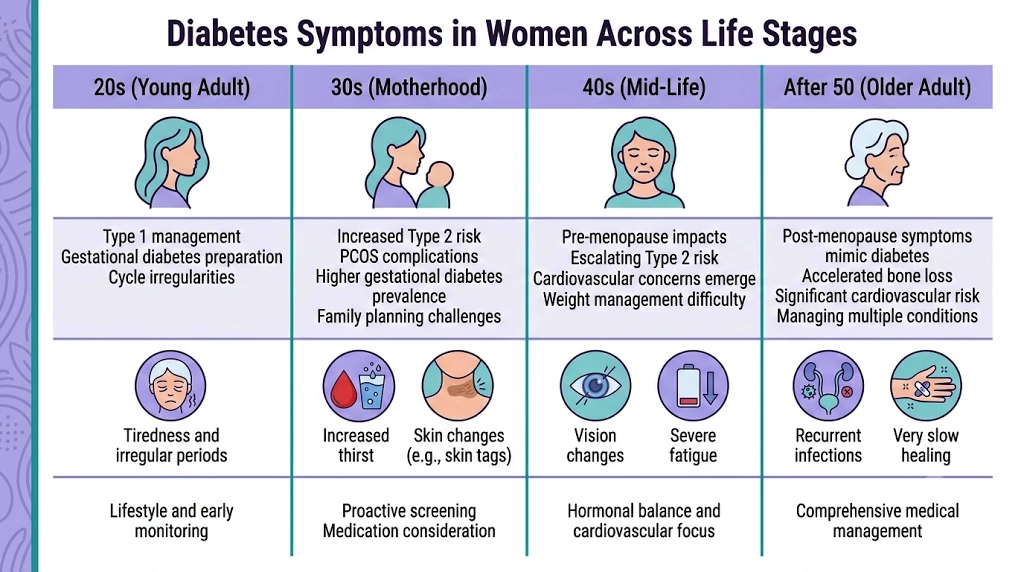
PCOS and diabetes: how are they connected?
Polycystic ovary syndrome (PCOS) is a hormonal and metabolic condition associated with irregular ovulation, excess androgen activity and, in many women, insulin resistance. Insulin resistance means the body does not respond to insulin as effectively as expected.
Insulin resistance can contribute to higher insulin levels and may interact with ovarian hormone production. PCOS is associated with an increased risk of impaired glucose tolerance and type 2 diabetes, although not every woman with PCOS will develop diabetes.
Possible features of PCOS include:
- Irregular, infrequent or absent periods.
- Acne or excess facial and body hair.
- Scalp hair thinning in some women.
- Difficulty conceiving because of irregular ovulation.
- Features of insulin resistance, such as acanthosis nigricans, in some women.
PCOS cannot be diagnosed from irregular periods or an ultrasound alone. Diagnosis requires appropriate clinical assessment, consideration of alternative causes and the relevant diagnostic criteria. In adults, an ultrasound is not always necessary when other diagnostic criteria are already met.
PCOS and diabetes are not the same condition
| Feature | PCOS | Diabetes |
|---|---|---|
| What it is | A hormonal and metabolic condition that can affect ovulation and androgen levels. | A condition characterised by persistently elevated blood glucose. |
| Possible features | Irregular periods, acne, excess facial hair and difficulty conceiving. | Thirst, frequent urination, fatigue, blurred vision and unexplained weight loss may occur. |
| Metabolic overlap | Insulin resistance and increased risk of glucose intolerance can occur. | Insulin resistance is common in type 2 diabetes. |
| Assessment | Clinical assessment, relevant laboratory tests and ultrasound when indicated. | Blood glucose testing and/or HbA1c, interpreted according to diagnostic criteria. |
| Can both occur? | Yes. Women with PCOS should receive appropriate assessment of their glycaemic status. | |
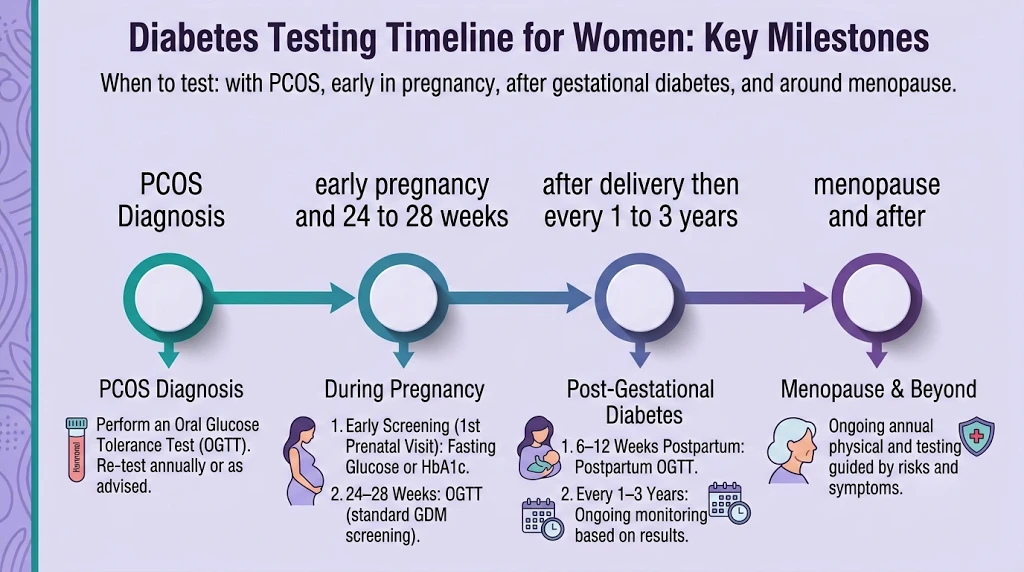
The 2023 international evidence-based PCOS guideline recommends assessing glycaemic status at diagnosis and reassessing it every one to three years, depending on individual risk factors. A 75-g oral glucose tolerance test (OGTT) is the most accurate test for assessing glycaemic status in PCOS, regardless of BMI. If an OGTT is not feasible, fasting glucose and/or HbA1c may be considered, recognising their limitations.
If you have PCOS, ask your doctor which test is most appropriate for you. Learn more about the connection between obesity and PCOS and PCOS assessment and treatment at TOTALL.
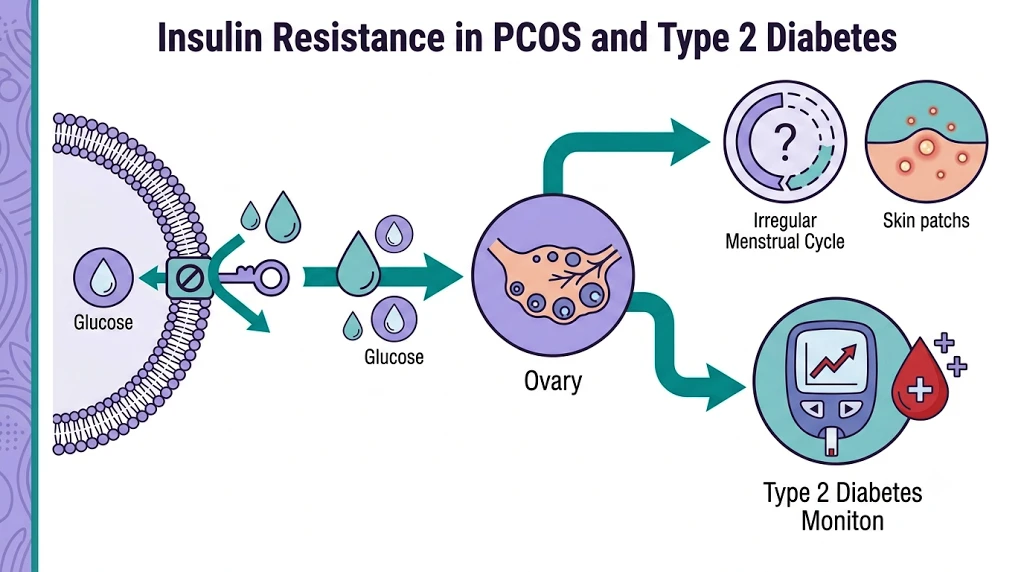
Periods, menopause and blood sugar
Irregular periods
Irregular periods can occur because of PCOS, thyroid disorders, stress, changes in body weight, pregnancy and several other conditions. Diabetes alone is not the usual explanation for irregular periods.
Women with PCOS may have both irregular periods and an increased risk of type 2 diabetes. If menstrual changes occur alongside other metabolic risk factors, a clinician may recommend assessment for PCOS, thyroid disease and abnormal blood glucose.
Some women who already have diabetes notice changes in glucose readings during the menstrual cycle. These patterns vary between individuals. If you observe a consistent change, discuss it with your diabetes care team rather than changing medication doses on your own.
Menopause and blood sugar
Hot flushes, night sweats, sleep disruption and mood changes can occur during menopause. These symptoms are not reliable indicators of diabetes, but they can overlap with symptoms caused by other health conditions.
In women taking insulin or certain glucose-lowering medicines, sweating, trembling, palpitations or waking at night feeling unwell may indicate hypoglycaemia (low blood glucose). If possible, check your glucose when symptoms occur and follow your clinician’s treatment plan. Severe confusion, seizures or unconsciousness require emergency assistance.
Menopause is a useful time to review overall metabolic health, including blood pressure, cholesterol, weight and diabetes screening according to individual risk.
Pregnancy, gestational diabetes and the years after delivery
Gestational diabetes mellitus (GDM) is diabetes first diagnosed during pregnancy. It often causes no noticeable symptoms, which is why recommended pregnancy testing is important.
Pregnancy diabetes screening and diagnostic criteria vary by guideline and clinical setting. In India, the DIPSI approach has commonly used a 75-g oral glucose test with a two-hour plasma glucose threshold of 140 mg/dL or higher. Other guidelines use different testing pathways and thresholds. The appropriate protocol should follow current national guidance and the treating maternity team’s recommendations.
Women with previous gestational diabetes or other risk factors may need assessment earlier in pregnancy, followed by testing at the recommended stage if diabetes has not already been diagnosed. Do not wait for symptoms before attending antenatal screening.
For further information, visit our page on gestational diabetes.
Why testing after delivery matters
Blood glucose often improves after delivery, but a history of gestational diabetes increases the future risk of type 2 diabetes. Normal glucose levels immediately after birth do not remove this long-term risk.
The American Diabetes Association recommends a 75-g OGTT at four to twelve weeks postpartum and lifelong screening for diabetes or prediabetes every one to three years. Follow-up should be arranged with your healthcare professional.
If you have diabetes and are planning a pregnancy, speak to your doctor before trying to conceive. Medication review, glucose management and assessment of other health conditions can help reduce risks for both mother and baby.
In Indore, TOTALL provides services related to diabetes and thyroid disorders in pregnancy. Explore the Pregnancy Diabetes Clinic and Thyroid Clinic for further information about the services offered.
Why diabetes may go undetected in women
Several factors can delay diabetes diagnosis. Some women have no symptoms in the early stages of type 2 diabetes. Others experience fatigue, weight changes or recurrent infections that may have several possible explanations.
Symptoms may overlap with thyroid disease, iron deficiency, menopause, sleep disorders or other medical conditions. Pregnancy and the period after delivery also require specific screening arrangements, even when a woman feels well.
Iron-deficiency anaemia can affect the interpretation of HbA1c, sometimes causing a result that is higher than expected for the person’s actual average glucose. Other conditions affecting red blood cells can also make HbA1c less reliable, and the direction of the effect varies.
If you have significant anaemia, a known haemoglobin variant or a mismatch between HbA1c and blood glucose results, tell your clinician. Plasma glucose-based testing may be more appropriate. Fasting glucose, a standardised OGTT and HbA1c are different tests and should not be treated as interchangeable in every situation.
The most useful step is to discuss your symptoms, pregnancy history, family history and other risk factors with a healthcare professional rather than relying on symptoms alone.
Heart health in women with diabetes
Diabetes is an important risk factor for cardiovascular disease. Women with diabetes have an increased risk of heart disease and stroke, and research indicates that the relative increase in coronary heart disease risk associated with diabetes is greater in women than in men.
Heart attack symptoms can vary. Chest pressure or discomfort is an important warning sign, but symptoms may also include breathlessness, nausea, sweating, light-headedness or discomfort in the back, jaw or arm.
Seek emergency medical care for sudden chest discomfort, severe breathlessness, fainting or other symptoms that could indicate a heart attack. Do not delay care while trying to determine whether the symptoms are caused by diabetes or menopause.
For people with diabetes, cardiovascular risk assessment may include blood pressure, cholesterol, kidney health, smoking status and other individual risk factors. Your doctor can recommend the appropriate monitoring schedule.
Diabetes tests and when women should get tested
The diagnosis of diabetes is based on blood glucose and/or HbA1c testing, interpreted according to accepted criteria. The same diagnostic thresholds generally apply to non-pregnant women and men. Pregnancy requires separate diagnostic guidance.
| Test | Diabetes threshold | Important note |
|---|---|---|
| Fasting plasma glucose | 126 mg/dL or higher | After at least eight hours without caloric intake. |
| Two-hour plasma glucose during a 75-g OGTT | 200 mg/dL or higher | This is a standardised glucose tolerance test, not simply any routine post-meal reading. |
| HbA1c | 6.5% or higher | Use an appropriately standardised laboratory method. Some conditions can make HbA1c unreliable. |
| Random plasma glucose | 200 mg/dL or higher | Can establish diabetes in a person with classic symptoms of hyperglycaemia or a hyperglycaemic crisis. |
Unless there is unequivocal hyperglycaemia, an abnormal result generally needs confirmation with a repeat or second diagnostic test. A clinician will interpret the results in the context of symptoms and medical history.
These are diagnostic criteria for non-pregnant adults. Pregnancy and gestational diabetes use specific testing protocols. For more information, read our guide to the signs of diabetes and diagnosis.
Who should discuss diabetes screening with a doctor?
In India, population-based screening guidance has included adults aged 30 and above. People with symptoms or important risk factors may need assessment earlier. Screening frequency should be individualised according to the person’s previous results, age, medical history and risk profile.
Discuss screening with your clinician if you have any of the following:
- PCOS or other features associated with insulin resistance.
- A previous pregnancy complicated by gestational diabetes.
- A history of delivering a baby with a high birth weight.
- A parent or sibling with diabetes.
- Increased waist circumference or overweight, particularly alongside other metabolic risk factors.
- High blood pressure, abnormal cholesterol or fatty liver disease.
- Repeated genital or urinary infections alongside other symptoms or risk factors.
- Increased thirst, frequent urination, unexplained weight loss or blurred vision.
A waist circumference above 80 cm is commonly used as an indicator of increased metabolic risk in South Asian women. A BMI of 23 kg/m² or higher is also used as an increased-risk threshold in some Asian Indian assessments. Neither measurement diagnoses diabetes on its own.
If your test result is normal, your clinician can advise when to repeat screening. The interval may be shorter when risk factors are substantial or glucose results are close to a diagnostic threshold.
Women with persistent fatigue, hair changes, menstrual problems or weight changes may also need assessment for thyroid disease or anaemia, depending on their symptoms. Read more about hypothyroidism.
Diabetes and hormone care in Indore, Madhya Pradesh
If you recognise several of these symptoms or have important risk factors, arrange a medical assessment. Depending on your situation, your clinician may recommend fasting plasma glucose, HbA1c, a 75-g OGTT or other investigations. Not every person needs every test.
Do not deliberately change your usual diet or stop medicines before testing unless your healthcare professional instructs you to do so. Follow the laboratory’s preparation instructions, particularly for fasting tests and OGTTs.
Seek urgent medical assessment for rapidly worsening thirst and urination with vomiting, abdominal pain, deep or rapid breathing, confusion or marked drowsiness. These can be warning signs of a serious hyperglycaemic emergency. Sudden chest discomfort or severe breathlessness also requires emergency care.
TOTALL Diabetes Hormone Institute, located in Indore, Madhya Pradesh, provides care related to diabetes, thyroid disorders, obesity and hormonal conditions. Its services include assessment for PCOS and pregnancy-related diabetes. Patients can consult the institute to understand which investigations and specialist services are appropriate for their needs.
For people with diagnosed diabetes, comprehensive follow-up may include assessment of kidney function, eye health, cardiovascular risk, nerves and feet. TOTALL also offers a Diabetes Body Checkup. Discuss the components and suitability of this assessment with your clinician.
For patients in Indore and nearby areas of Madhya Pradesh, access to coordinated diabetes and endocrine care can help bring testing, treatment and follow-up together. The appropriate treatment plan depends on the diagnosis, age, other medical conditions and, where relevant, pregnancy plans.
Diabetes testing and consultation in Indore
TOTALL Diabetes Hormone Institute, BCM Health Island, Scheme No. 54, near Bombay Hospital and behind Prestige Management Institute, Indore, Madhya Pradesh 452010.
Published clinic timings: Monday to Saturday, 8:00 AM to 8:00 PM; Sunday closed.
Call 0731 244 3344 or 093024 43344.
For appointments, visit the official TOTALL appointment page.
महिलाओं में डायबिटीज के लक्षण: हिंदी में सार
महिलाओं में डायबिटीज के सामान्य लक्षण पुरुषों जैसे ही होते हैं। इनमें बार-बार पेशाब आना, ज्यादा प्यास लगना, थकान, धुंधला दिखना और बिना कोशिश वजन कम होना शामिल हैं। कुछ महिलाओं में बार-बार योनि में फंगल संक्रमण या पेशाब का संक्रमण भी हो सकता है, लेकिन केवल इन लक्षणों से डायबिटीज की पुष्टि नहीं होती।
PCOS, पहले गर्भावस्था में शुगर बढ़ना, परिवार में डायबिटीज का इतिहास, बढ़ी हुई कमर और हाई ब्लड प्रेशर जैसे कारणों से शुगर की जांच की जरूरत बढ़ सकती है। भारत में 30 वर्ष और उससे अधिक उम्र के लोगों के लिए डायबिटीज स्क्रीनिंग महत्वपूर्ण है। कम उम्र में भी लक्षण या जोखिम होने पर डॉक्टर से जांच के बारे में बात करें।
गर्भावस्था के दौरान और डिलीवरी के बाद जांच के नियम अलग हो सकते हैं। यदि पहले gestational diabetes हुआ था, तो डिलीवरी के बाद और आगे भी नियमित जांच कराना जरूरी है।
अगर आपको बार-बार प्यास लगती है, पेशाब ज्यादा आता है, वजन बिना कारण घटता है या बहुत कमजोरी महसूस होती है, तो डॉक्टर से सलाह लें। इंदौर में diabetes और hormone care के लिए TOTALL Diabetes Hormone Institute से जानकारी प्राप्त कर सकते हैं। फोन: 0731 244 3344.
Frequently asked questions about the signs of diabetes in women
What are the early signs of diabetes in women?
Common symptoms include increased thirst, frequent urination, fatigue, blurred vision and sometimes unexplained weight loss. Recurrent vaginal yeast infections can also be associated with high blood glucose. Some women with type 2 diabetes have no noticeable symptoms, so screening is important when recommended.
Are the signs of diabetes in women different from those in men?
The core symptoms are largely the same. Women may also experience recurrent vaginal yeast infections and have additional screening considerations related to PCOS, pregnancy and a history of gestational diabetes.
Can recurrent vaginal infections be a sign of diabetes?
Repeated vaginal yeast infections may be associated with high blood glucose, but infections are common and have several possible causes. If infections persist or repeatedly return, ask your clinician whether blood glucose testing is appropriate.
Can PCOS cause diabetes?
PCOS does not mean that you have diabetes, but it is associated with an increased risk of impaired glucose tolerance and type 2 diabetes. Glycaemic status should be assessed at PCOS diagnosis and reassessed according to individual risk, generally every one to three years under the 2023 international guideline.
Can diabetes cause irregular periods?
Irregular periods are more commonly associated with PCOS, thyroid disorders, stress and other reproductive or hormonal conditions than with diabetes alone. If irregular periods occur with other metabolic risk factors, your clinician may recommend both hormonal assessment and glucose testing.
What are the signs of diabetes in women over 40?
Symptoms can include thirst, frequent urination, fatigue, blurred vision, recurrent infections and slow-healing wounds. Some women have no symptoms. Follow screening recommendations and discuss personal risk factors with your healthcare professional.
Does diabetes risk increase after menopause?
Diabetes risk can increase with age and changes in body composition, but menopause does not mean that every woman will develop diabetes. Screening should be based on age, medical history and other risk factors rather than symptoms alone.
Should I be tested for diabetes after gestational diabetes?
Yes. The American Diabetes Association recommends a 75-g oral glucose tolerance test four to twelve weeks after delivery and lifelong screening every one to three years. Follow your clinician’s advice about the appropriate test and schedule.
Can anaemia affect HbA1c results?
Yes. Iron-deficiency anaemia can sometimes cause HbA1c to be higher than expected, while other conditions affecting red blood cells can alter the result in different ways. If HbA1c does not match your clinical picture or glucose measurements, your clinician may consider plasma glucose-based testing.
Which diabetes test is best for women with PCOS?
The 2023 international PCOS guideline identifies the 75-g oral glucose tolerance test as the most accurate assessment of glycaemic status in women with PCOS, regardless of BMI. Fasting glucose and HbA1c may be alternatives when an OGTT is not feasible, but they can be less accurate for detecting glucose intolerance.
Which doctor should I consult for diabetes in Indore?
An endocrinologist or diabetologist can assess diabetes and related hormonal or metabolic conditions. Women who are pregnant or planning pregnancy should discuss their needs with an appropriate maternity and diabetes care team. TOTALL Diabetes Hormone Institute in Indore provides diabetes and endocrine care; contact the institute to confirm the appropriate service and appointment.
References and further reading
- American Diabetes Association. Standards of Care in Diabetes. Diagnosis, classification and screening recommendations. ADA Standards of Care.
- American Diabetes Association. Diabetes symptoms and diagnostic criteria. Diabetes warning signs and symptoms.
- World Health Organization. Diabetes fact sheet. WHO.
- International evidence-based guideline for the assessment and management of polycystic ovary syndrome, 2023. 2023 International PCOS Guideline.
- American Diabetes Association. Management of diabetes in pregnancy, postpartum testing and long-term follow-up. Standards of Care in Diabetes.
- National Health Mission, Ministry of Health and Family Welfare, Government of India. National Guidelines for Diagnosis and Management of Gestational Diabetes Mellitus. National GDM guidelines.
- National Glycohemoglobin Standardization Program. Factors that Interfere with HbA1c Test Results. NGSP.
- Centers for Disease Control and Prevention. Vulvovaginal candidiasis and diabetes-related risk factors. CDC STI Treatment Guidelines.
About the author: Dr. Sunil M. Jain is the Chairman and Managing Director of TOTALL Diabetes Hormone Institute, Indore, Madhya Pradesh.