Medically reviewed by TOTALL Diabetes Hormone Institute, Indore.
Snoring gets treated as a joke in most households, something for a partner to complain about rather than a reason to see a doctor. For a meaningful number of people carrying excess weight, it’s actually the most visible sign of a breathing disorder that’s doing real, measurable damage while they sleep. Obstructive sleep apnea and obesity hypoventilation syndrome are related but genuinely different conditions, both driven substantially by excess weight, and both seriously underdiagnosed in India, partly because the definitive test isn’t always easy to access. This guide explains what each condition actually is, how they’re diagnosed, and what the evidence says about treatment, including a genuinely new pharmacological option that didn’t exist a few years ago. For the broader health risks of obesity, see our main obesity guide.
Two Different Conditions, Often Confused
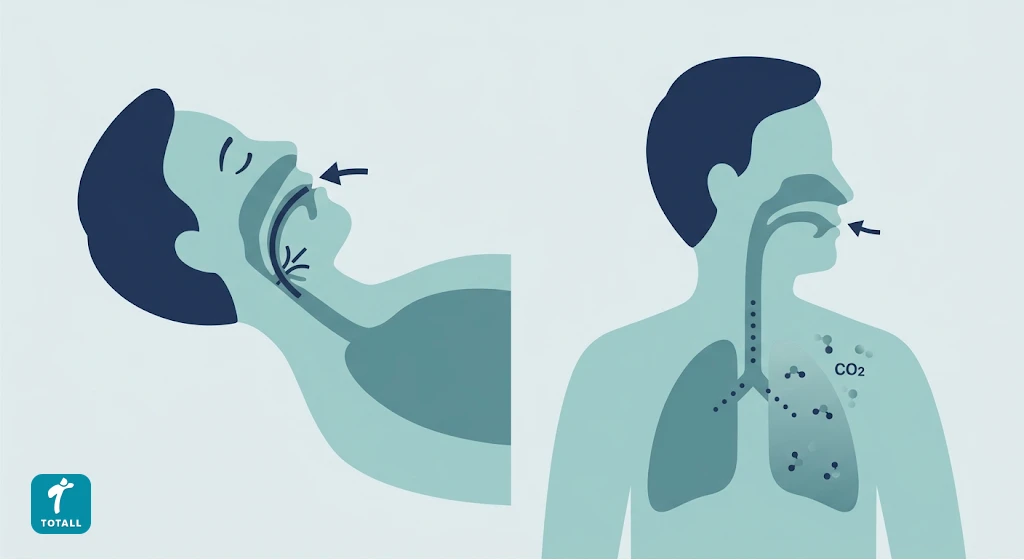
Obstructive sleep apnea (OSA) happens when the soft tissue at the back of the throat repeatedly collapses during sleep, partially or fully blocking airflow. Each blockage briefly wakes the brain enough to reopen the airway, though the person usually doesn’t remember it, and this can happen dozens or even hundreds of times a night. It’s measured using the apnea-hypopnea index (AHI), the number of breathing disruptions per hour of sleep, with higher numbers indicating more severe disease. Excess weight, particularly fat around the neck and upper airway, is one of the strongest risk factors, since it narrows the airway and makes it more prone to collapse.
Obesity hypoventilation syndrome (OHS), once called Pickwickian syndrome, is a different and generally more serious condition: a BMI above 30, combined with abnormally high carbon dioxide levels in the blood during normal daytime wakefulness (not just during sleep), alongside sleep-disordered breathing, once other causes of poor breathing (lung disease, neuromuscular conditions, medication effects) have been ruled out. In OHS, the combination of excess weight on the chest wall and a blunted breathing drive means the body doesn’t clear carbon dioxide properly even while awake, not just at night. Around 90 percent of people with OHS also have OSA, and about 70 percent have severe OSA specifically, but the reverse isn’t true: most people with OSA do not have OHS. The distinction matters because OHS carries a meaningfully higher risk of serious complications, including pulmonary hypertension and heart failure, and a higher mortality rate than OSA alone if it goes untreated.
How Common Are These Conditions in India?
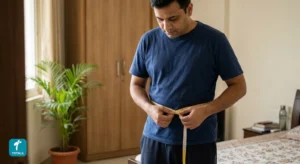
Precise figures are hard to pin down, partly because polysomnography, the gold-standard sleep study used to confirm a diagnosis, is expensive and not widely available across India, which means OSA in particular is significantly underdiagnosed. Screening studies using the STOP-Bang questionnaire, a simple, validated risk-screening tool that doesn’t require a sleep lab, give a sense of scale: community-based Indian studies have found somewhere between roughly 3 and 23 percent of adults screened at high risk for OSA, with the wide range reflecting differences between general community samples and higher-risk hospital outpatient populations. Risk rises sharply with obesity: several studies have found the odds of OSA increased 8 to 12 times in people with a BMI above 29 compared to those with a healthy weight. One detail specific to Indian and South Asian populations is worth knowing: because the standard STOP-Bang questionnaire uses neck circumference, and Indian body composition tends to carry more abdominal fat for a given BMI, a modified version using waist circumference instead may predict OSA severity more accurately in Indian patients, though this version isn’t yet in routine use everywhere.
Symptoms Worth Paying Attention To
Loud, habitual snoring is the most recognisable sign, but it’s the accompanying symptoms that point toward something beyond ordinary snoring: witnessed pauses in breathing during sleep (usually noticed by a partner, not the person themselves), gasping or choking awakenings, excessive daytime sleepiness or falling asleep during passive activities like watching television, morning headaches, and difficulty concentrating. Morning headache in particular is more specific to elevated carbon dioxide levels and is worth mentioning to a doctor if it’s a regular occurrence, since it can point toward OHS specifically rather than OSA alone.
Why This Matters Beyond Feeling Tired
Both conditions are independently linked to a higher risk of high blood pressure, cardiovascular disease, and stroke, largely because repeated overnight drops in blood oxygen and disrupted sleep architecture place ongoing strain on the cardiovascular system. OHS carries additional risk: sustained high carbon dioxide levels and low oxygen can lead to pulmonary hypertension (elevated blood pressure specifically in the blood vessels supplying the lungs) and, over time, strain on the right side of the heart. People with OHS also tend to be higher users of healthcare services and have a higher mortality risk than people with obesity or OSA alone, which is part of why it’s often described as underdiagnosed and undertreated relative to how serious it is; diagnosis is frequently delayed until a person is in their fifties or sixties, sometimes only after a hospital admission for acute breathing difficulty.
How These Conditions Are Diagnosed
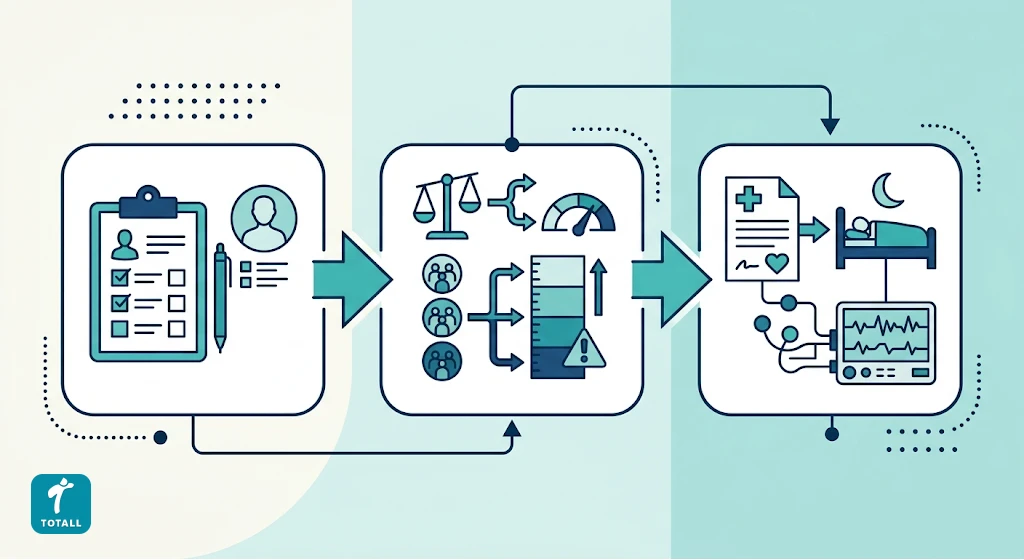
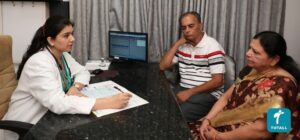
Screening usually starts with a structured questionnaire like STOP-Bang, covering snoring, tiredness, observed apneas, blood pressure, BMI, age, neck size, and sex, which stratifies risk without requiring a sleep lab visit. A result suggesting moderate to high risk is generally followed by polysomnography, an overnight sleep study that records breathing, oxygen levels, brain activity, and heart rhythm, which confirms an OSA diagnosis and its severity. If OHS is suspected, based on obesity plus daytime symptoms and physical signs like a large neck circumference, additional testing includes an arterial blood gas measurement to check carbon dioxide levels while awake, and elevated serum bicarbonate on a routine blood test can raise suspicion earlier and prompt further testing.
Treatment: What Actually Helps
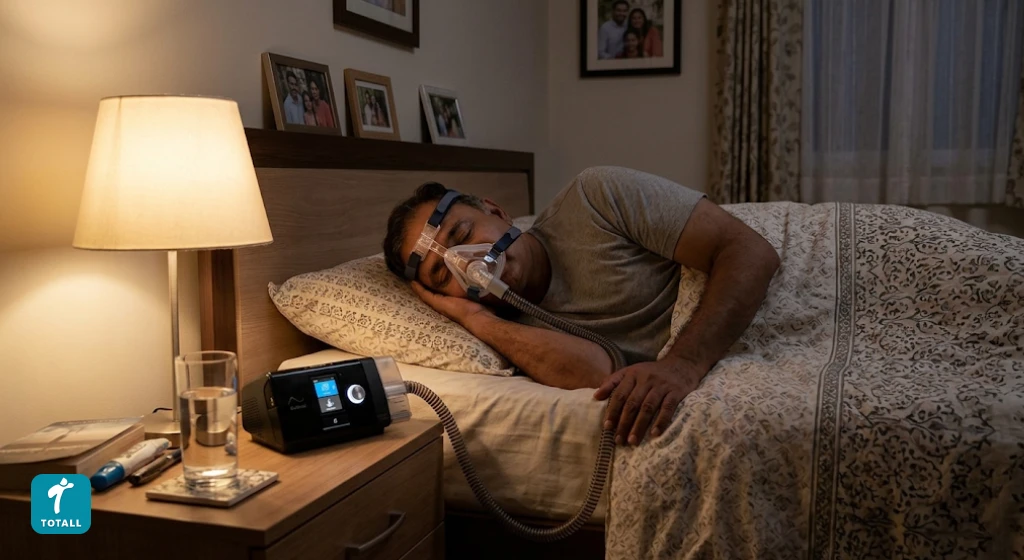
Continuous positive airway pressure (CPAP), a machine that keeps the airway open overnight using mild air pressure through a mask, remains the standard first-line treatment for both OSA and OHS, and for OHS specifically, a related device called BiPAP (which uses two pressure levels rather than one) is often used, since it more effectively supports breathing in people with elevated carbon dioxide. These devices are highly effective when used consistently, but adherence is a genuine, common challenge, and effectiveness depends on using the device most nights, not occasionally.
Weight loss is not a replacement for CPAP in someone who needs it, but it’s a genuinely effective complementary treatment, since reducing excess weight around the neck and abdomen directly addresses one of the main mechanical drivers of both conditions; meaningful weight loss can reduce AHI, and in some cases improve OHS enough to reduce or eliminate the need for ventilatory support, though this should be managed alongside a doctor rather than by stopping CPAP independently. For people with severe obesity who haven’t responded adequately to other approaches, bariatric surgery has a well-documented positive effect on both OSA and OHS, often as a secondary benefit alongside the primary metabolic improvements.
A genuinely new development worth knowing about: in 2026, tirzepatide became the first medication to receive FDA approval specifically for moderate-to-severe OSA in adults with obesity, based on a clinical trial programme that found it reduced breathing disruptions substantially compared to placebo, alongside significant weight loss, with a meaningful share of participants improving enough to no longer have OSA symptoms after a year of treatment. This is a US approval, and its availability and approved use for this specific indication in India should be confirmed directly with a doctor rather than assumed; TOTALL’s Semaglutide guide covers GLP-1 based medicines more broadly for readers interested in that category of treatment.
When to Get Evaluated
It’s worth getting screened, rather than dismissing it as “just snoring,” if you or a partner have noticed loud snoring with pauses in breathing, if you wake up gasping, if you’re excessively sleepy during the day despite a full night in bed, or if you have obesity alongside morning headaches or unexplained daytime breathlessness. This overlaps meaningfully with the metabolic risks covered in the main obesity guide, since obesity, diabetes, and sleep apnea frequently occur together and worsen each other. Book a consultation with TOTALL’s endocrine team in Indore for an initial metabolic and risk evaluation; depending on your screening result, this typically includes a referral for a sleep study with a pulmonologist or sleep specialist to confirm diagnosis and severity.
Frequently Asked Questions
What is the difference between OSA and OHS?
OSA is repeated airway blockage during sleep, measured by how many breathing disruptions occur per hour. OHS is a more serious combination of obesity, elevated carbon dioxide levels even while awake, and sleep-disordered breathing. Most people with OHS also have OSA, but most people with OSA do not have OHS.
Can losing weight cure sleep apnea?
Weight loss can meaningfully reduce the severity of sleep apnea and, in some cases, obesity hypoventilation syndrome, but it isn’t a guaranteed cure for everyone and shouldn’t replace CPAP therapy without medical guidance. Structural factors in airway anatomy also contribute, independent of weight.
Is snoring always a sign of sleep apnea?
No, snoring alone is common and doesn’t always indicate sleep apnea. Pauses in breathing, gasping awakenings, and excessive daytime sleepiness alongside snoring are the signs that point more specifically toward OSA and are worth getting screened for.
How is sleep apnea diagnosed without an expensive sleep study?
Validated screening questionnaires like STOP-Bang can assess risk using simple criteria without a sleep lab, and are commonly used as a first step in India where polysomnography access is limited. A moderate-to-high risk score typically leads to a referral for a confirmatory sleep study.
Is there a medication for sleep apnea now?
In 2026, tirzepatide became the first medication to receive FDA approval specifically for moderate-to-severe obstructive sleep apnea in adults with obesity, showing meaningful reductions in breathing disruptions alongside weight loss in clinical trials. Its approved availability in India for this specific use should be confirmed with a doctor.
Sources
- Obesity-Hypoventilation Syndrome, StatPearls, NCBI Bookshelf, 2025
- Obesity hypoventilation syndrome, European Respiratory Review
- STOPBANG vs. STOPBWANG: Comparative predictive performance for obstructive sleep apnoea severity in an Indian cohort
- Tirzepatide Gets FDA Approval for Sleep Apnea in Adults With Obesity, TCTMD, 2025
- TOTALL — Complete guide to Obesity: Causes, Symptoms, Types and Treatment in India