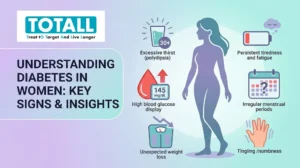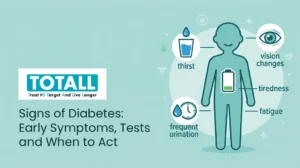
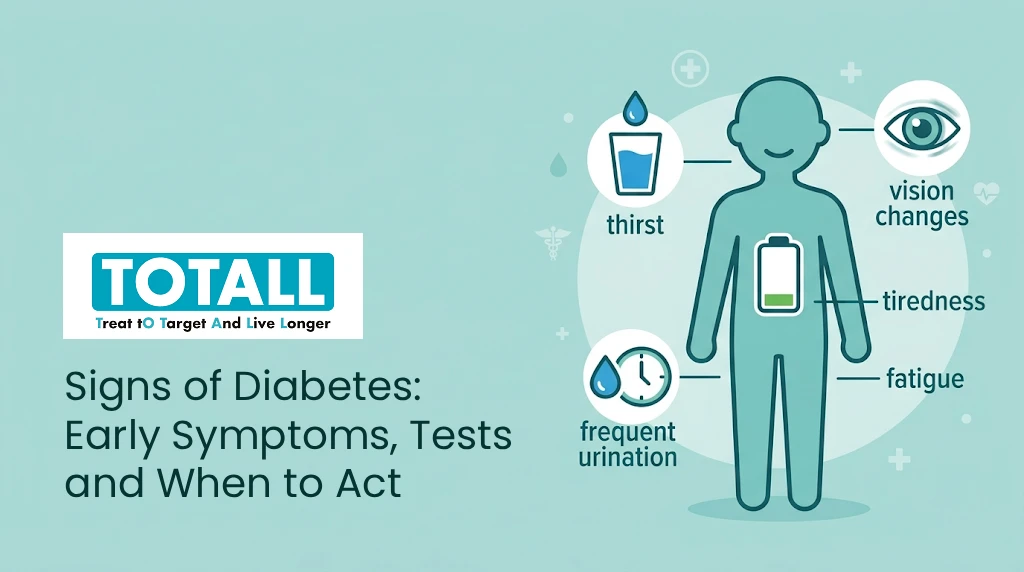
The most common signs of diabetes are passing urine more often, feeling very thirsty, constant tiredness, increased hunger, blurry vision, cuts that heal slowly, repeated infections and unexplained weight loss. In type 1 diabetes these signs usually appear within days or weeks. In type 2 diabetes they build slowly over months or years, and many people have no signs at all, so a blood test is the only reliable way to know.
Diabetes, or diabetes mellitus, is a serious condition, and when sugar stays high for years it can damage the eyes, kidneys, nerves, heart and feet. The encouraging part is that people who find it early and keep their blood sugar in a safe range can stay healthy for decades, whether they have type 1 or type 2 diabetes. This guide explains the signs and symptoms of diabetes mellitus one by one, why each one happens, how the picture changes in women, men, children and pregnancy, which tests confirm the diagnosis, and which symptoms need help the same day.
One request before you read on. If several of these signs sound familiar, please do not try to treat yourself with home remedies, and do not simply cut out sweets and wait to see what happens. Get your blood sugar tested and show the result to a doctor. A clear diagnosis early is worth far more than a few months of guessing.
Key points
- The classic trio is frequent urination, excessive thirst and increased hunger, but tiredness, blurry vision and slow healing are just as common.
- Type 2 diabetes can be silent for years. In India, screening matters even when you feel well.
- A fasting glucose of 126 mg/dL or more, an HbA1c of 6.5% or more, or a 2-hour glucose of 200 mg/dL or more after a 75 g glucose drink points to diabetes.
- Vomiting, abdominal pain, fast deep breathing or drowsiness with high sugar is an emergency. Go to a hospital immediately.
What this guide covers
- Signs of diabetes at a glance
- Why diabetes causes these symptoms
- The 8 classic signs of diabetes
- Other signs people often miss
- When there are no signs at all
- Type 1 versus type 2: how the signs differ
- Signs of diabetes in women
- Signs of diabetes in men
- Signs of diabetes in children and teenagers
- Signs of diabetes in pregnancy
- Signs on the skin, eyes, feet and nerves
- Signs at night and after eating
- High blood sugar versus low blood sugar
- Prediabetes: the stage before diabetes
- Conditions that look like diabetes
- How diabetes is diagnosed
- Who should get tested, and how often
- What to do if you notice these signs
- Diabetes testing and care in Indore at TOTALL
- डायबिटीज के लक्षण (हिंदी में सार)
- Frequently asked questions
Signs of diabetes at a glance
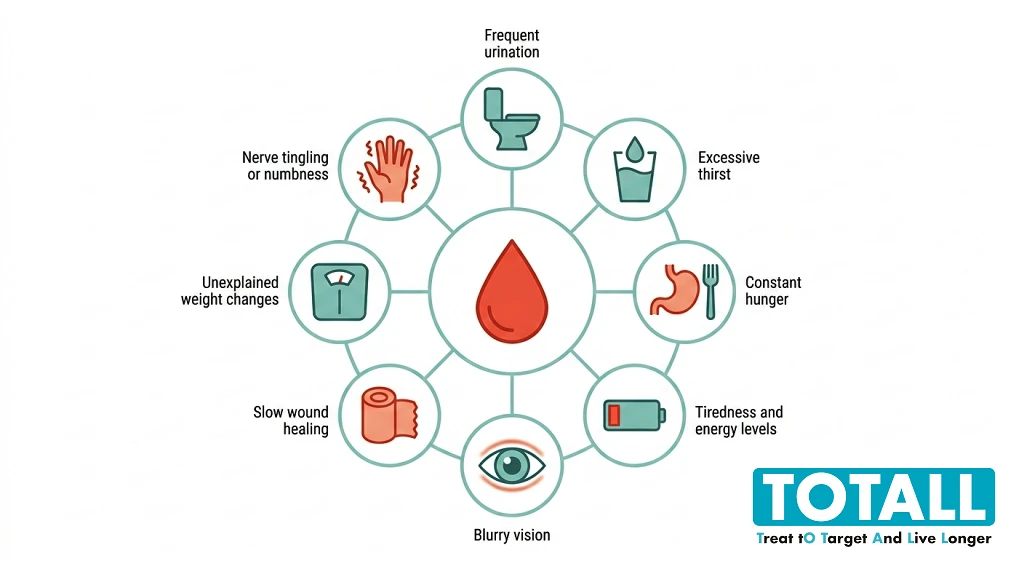
The table below puts the main signs of diabetes next to the reason each one happens. Almost every item on it traces back to one problem: sugar is piling up in the blood instead of being used by the body’s cells.
| Sign | Why it happens | How quickly it appears |
|---|---|---|
| Passing urine more often, including at night | Extra glucose in the urine pulls water out of the body | Days to weeks in type 1, gradual in type 2 |
| Intense thirst and a dry mouth | The body is losing fluid and tries to replace it | Follows frequent urination |
| Hunger even after eating | Cells cannot use the glucose in the blood | Gradual |
| Tiredness and low energy | Cells are short of fuel, and broken sleep from night-time urination adds to it | Gradual |
| Blurry vision | High sugar changes fluid levels in the lens of the eye | Can come and go |
| Slow-healing cuts and frequent infections | High sugar weakens the immune response and blood flow | Gradual |
| Weight loss without trying | The body burns fat and muscle for energy | Fast in type 1, slower in type 2 |
| Tingling or numbness in hands and feet | Long-standing high sugar injures nerves | Usually after years of high sugar |
Why diabetes causes these symptoms
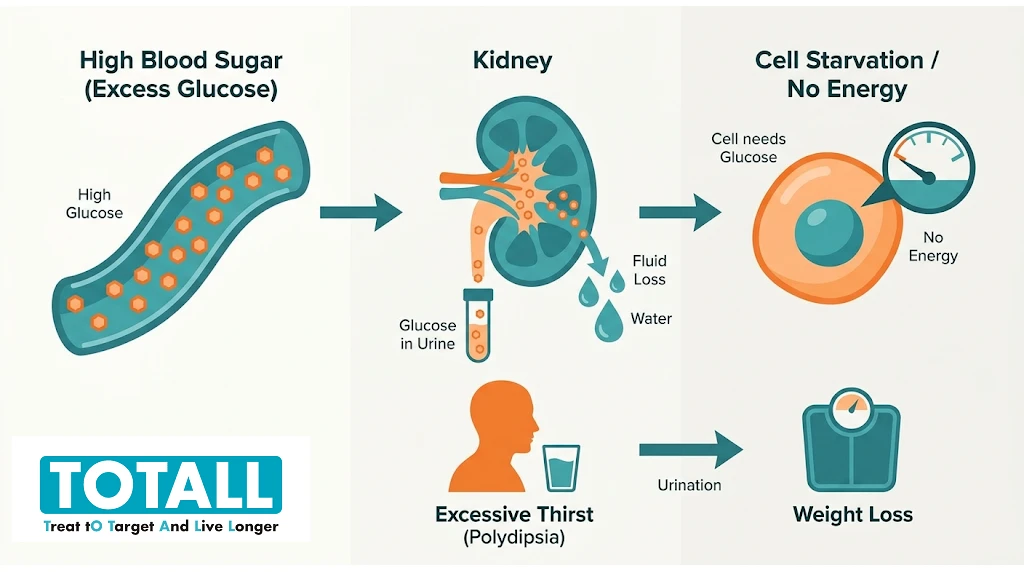
Every cell in your body runs largely on glucose, the sugar that comes from the food you eat. A hormone called insulin, made by the pancreas, acts like a key that lets glucose move from the blood into the cells. In type 1 diabetes the pancreas makes little or no insulin. In type 2 diabetes the body still makes insulin, but the cells respond poorly to it (insulin resistance), and over time the pancreas cannot keep up.
Either way, glucose stays in the blood. The kidneys filter the blood, and up to a point they pull glucose back in. Once blood glucose climbs above roughly 180 mg/dL, the kidneys can no longer reabsorb all of it, and the excess spills into the urine. Glucose is not a quiet passenger: it drags water along with it. That single mechanism explains the frequent urination and the thirst that follows.
Meanwhile the cells are effectively starving even though the blood is full of sugar. They send hunger signals, the body breaks down fat and muscle for fuel, and you feel tired. Understanding this chain is useful because it tells you why the signs of diabetes travel together, and why one sign alone, such as a single bad night of thirst, rarely means much.
The 8 classic signs of diabetes
These are the early signs of diabetes most people have heard about, and the symptoms of diabetes that make doctors reach for a glucose test. You do not need all eight. Two or three that persist for more than a couple of weeks are enough reason to get tested.
1. You need to go to the washroom more than usual
Frequent urination, called polyuria, is usually the first sign of diabetes that people notice. Most adults pass urine somewhere between four and eight times in 24 hours, depending on how much they drink. What matters is a change from your own normal: filling the toilet more often, passing a large volume each time, or waking two or three times a night when you used to sleep through.
The cause is the glucose spill described above. Because glucose pulls water with it, the kidneys make far more urine than usual. It is a common mistake to think the sugar “sticks to the kidneys”. In fact the kidneys are working normally and are simply overwhelmed by the amount of glucose they are asked to filter.
2. You feel very thirsty all the time
Thirst, called polydipsia, follows directly from the first sign. When the body loses so much water through urine, it becomes dehydrated, and the brain triggers thirst to make you drink more. A dry mouth that no amount of water seems to fix is a typical complaint. If you find yourself drinking several glasses at night or carrying a water bottle everywhere because you cannot cope without it, mention it to a doctor.
A practical point: sugary drinks, packaged juices and cold drinks quench thirst for a moment and then make the glucose level, and therefore the thirst, worse. If thirst is your main symptom, plain water is the right choice while you wait for your test.
3. You have dry and itchy skin
Dehydration dries the skin, and poor circulation reduces its ability to repair itself. Itching is also common because high sugar encourages fungal infections, especially in warm folds of skin such as under the breasts, in the groin and between the toes. Dry, itchy skin on its own is very common and is not a reason to panic. It becomes meaningful when it comes together with thirst, frequent urination or repeated skin infections, and when ordinary moisturisers do not help.
4. Your hunger increases more than usual
Constant hunger, called polyphagia, may seem puzzling when sugar is high. The explanation is that glucose is present in the blood but cannot get into the cells, so the body behaves as if it has not eaten. You may eat a full meal and feel hungry again within an hour or two. Some people also lose weight at the same time, which is a strong clue, because eating more while weighing less is rarely normal.
5. You feel tired even after sleeping
Fatigue is one of the most common signs of diabetes and also one of the least specific, because dozens of conditions cause it. In diabetes it has several roots: cells short of fuel, dehydration, and sleep broken by trips to the toilet. If you wake up unrefreshed after a full night’s sleep, and it is new for you, it is worth a blood test, especially when it comes with any of the other signs here. Your tiredness is not a reason to take extra rest or tonic and wait. It is a reason to find the cause.
6. You notice blurry vision
Blurry vision is not only a sign of weak eyesight. When blood sugar is high, fluid shifts in and out of the lens of the eye and changes its shape, so your focus drifts. This kind of blurring often improves once sugar comes down, and it can also appear briefly when treatment starts and sugar falls quickly. See an eye specialist, and carry the report to your diabetes doctor.
Treat some changes as urgent: floaters, dark patches, sudden loss of vision in one eye, or flashes of light. These can signal damage to the retina and need examination within a day or two. TOTALL has a dedicated eye and retina care service for people with diabetes.
7. Cuts and wounds take a long time to heal
If a small cut, a boil or a blister that would normally heal in a week lingers for several, take it seriously. High sugar slows healing in two ways: it weakens the white blood cells that fight infection, and it narrows small blood vessels so less oxygen and fewer healing cells reach the wound. This is different from the older explanation that healing is slow because “nutrients are lost”. Eating more food does not fix it. Bringing sugar into range does.
Foot wounds deserve special care because nerve damage can hide pain. A blister or a cracked heel that you do not feel can turn into an ulcer. If you already have diabetes, inspect your feet every day. Our foot care service screens for this risk.
8. Your weight changes without a clear reason
Unexplained weight loss is a hallmark of type 1 diabetes and of untreated type 2 diabetes. When cells cannot use glucose, the body turns to its stores of fat and muscle, and glucose itself is lost in the urine as calories. People are sometimes pleased when weight drops without effort, which delays the visit to the doctor. Please do not wait.
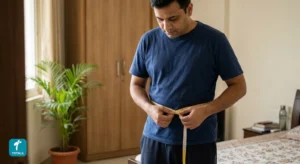
Weight gain tells a different story, and it needs a correction to what is often written. Before diagnosis, many people with type 2 diabetes are overweight, because excess body fat, especially around the waist, drives insulin resistance. After treatment begins, some medicines, particularly insulin and sulfonylureas, can add weight, but this reflects how the medicines work and the body recovering the calories it was losing. It is not because the doses are “heavy”, and there are many diabetes medicines that are weight neutral or help with weight loss. If you are gaining belly fat and your clothes are getting tight, read our guide on waist circumference and belly fat in Indians and consider a sugar test.
Other signs of diabetes people often miss
The eight signs above get the most attention, but several quieter signs of diabetes show up in clinic again and again.
Tingling, burning or numbness in the feet and hands. This points to nerve involvement, which can already be present when diabetes is diagnosed, particularly in people who have had high sugar unnoticed for years.
Repeated infections. Recurrent urinary tract infections, vaginal yeast infections, fungal infections of the groin or nails, and gum infections are all more likely when sugar is high. A person who has had three or four such infections in a year deserves a glucose test.
Dark, velvety patches of skin. Thickened dark skin on the back of the neck, under the arms or in the groin is called acanthosis nigricans. It is a visible marker of insulin resistance and is very common in India. Skin tags in the same areas have a similar link.
Gum problems and a dry mouth. Bleeding, swollen gums and loose teeth, and a persistent dry mouth, are linked with high sugar. Dental care is part of diabetes care at TOTALL for this reason.
A fruity or acetone smell on the breath. This suggests ketones building up, which is a warning sign of a serious complication discussed later in this guide.
When there are no signs at all
This is the point that surprises most people. Type 2 diabetes often causes no obvious symptoms for years, because sugar rises slowly and the body adjusts. By the time frequent urination or blurry vision appears, sugar may have been high for a long time. Studies suggest a substantial share of people with type 2 diabetes are diagnosed only when a complication appears or a routine test picks it up.
The scale in India makes this practical, not theoretical. The ICMR-INDIAB study, published in The Lancet Diabetes and Endocrinology in 2023, estimated that about 101 million Indians, or 11.4% of the population, had diabetes, and about 136 million, or 15.3%, had prediabetes. Source: ICMR-INDIAB national study, Lancet Diabetes and Endocrinology. The researchers also noted that in states with lower diabetes prevalence today, including Madhya Pradesh, the number of people with prediabetes is large relative to those with diabetes, which points to more cases ahead. In Madhya Pradesh the reported ratio was roughly three people with prediabetes for every person with diabetes.
There is also a reason Indians should not wait for symptoms. Type 2 diabetes tends to appear at a younger age and at a lower body weight in South Asians than in many Western populations, partly because of more fat around the abdomen and the liver at the same BMI. A person who looks slim and feels fine can still have raised sugar. That is why the guidance on testing, covered below, does not depend on symptoms.
Type 1 versus type 2: how the signs differ
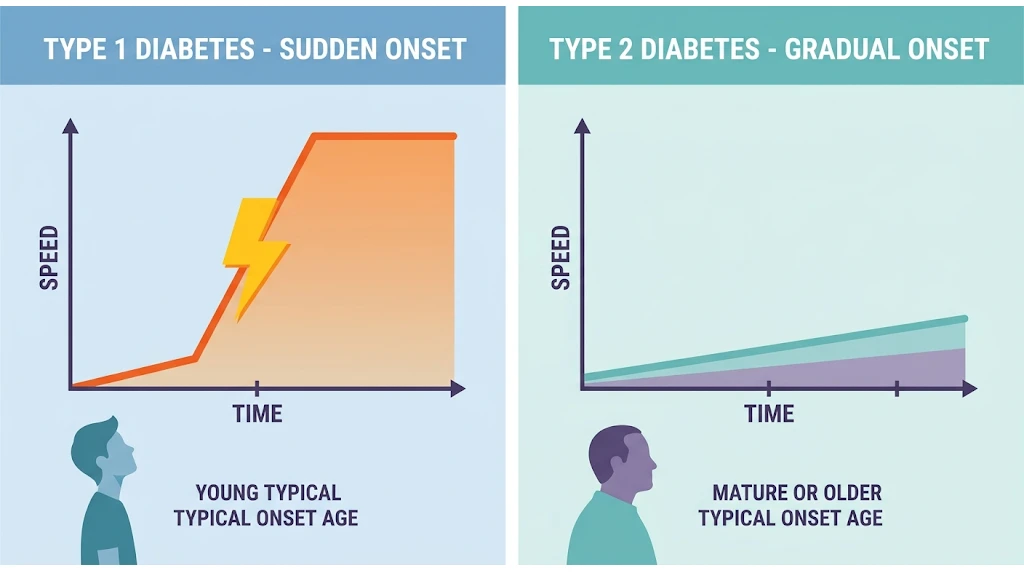
The same signs of diabetes appear in both types, but the speed and the person affected are different.
| Type 1 diabetes | Type 2 diabetes | |
|---|---|---|
| Cause | Immune system destroys insulin-making cells | Insulin resistance plus a pancreas that gradually tires |
| Typical onset | Childhood, teens, young adults, but any age | Usually adults, increasingly teens and young adults |
| Speed of signs | Days to weeks | Months to years, often silent |
| Weight | Rapid weight loss is typical | Often overweight, though not always |
| Risk of ketoacidosis at diagnosis | High | Low, but possible |
| Treatment | Insulin is essential from the start | Lifestyle, tablets, injectable medicines and sometimes insulin |
A third group is easy to overlook. Some adults develop a slow-onset form of autoimmune diabetes, often called LADA, that looks like type 2 at first and then needs insulin sooner than expected. A thin adult with diabetes who loses weight quickly or does not respond to tablets should be tested for it. You can read more on our type 1 diabetes page.
Signs of diabetes in women
Women show the same core signs of diabetes as men, with a few additions. Recurrent vaginal yeast infections and urinary tract infections are among the most common reasons a woman is first tested. Irregular periods, acne, excess facial hair and difficulty conceiving can point to polycystic ovary syndrome, which shares insulin resistance with type 2 diabetes. Women with PCOS have a higher chance of developing diabetes, so they should be screened regularly rather than only when symptoms appear. Our guide on the link between obesity and PCOS and our PCOS treatment page explain this in detail.
After 40, and especially after menopause, tiredness, mood changes and sleep disturbance are easily put down to hormones. It is worth keeping diabetes on the list. A woman who had gestational diabetes in any pregnancy carries a higher lifetime risk and should have a test every year or two.
Signs of diabetes in men
Men tend to notice the classic signs of diabetes, but they also report a few that are less often connected to sugar. Erectile difficulty can be an early sign, because high sugar damages small blood vessels and nerves. Reduced sexual desire and low energy may reflect low testosterone, which is more common in men with type 2 diabetes. Infections of the skin of the penis, such as balanitis, are another clue, as are slow-healing wounds and loss of muscle strength.
Many men delay a check-up because they feel strong. If your waistline has grown, your parents had diabetes, and you have noticed any of the signs described here, getting tested is a routine decision, not a worry. TOTALL also treats sexual dysfunction linked to hormones and diabetes.
Signs of diabetes in children and teenagers
In children, type 1 diabetes is the usual cause, and it can come on quickly. The signs to watch for are unusual thirst, frequent urination, bedwetting in a child who had been dry at night, weight loss despite a good appetite, tiredness and irritability, and a fruity breath odour. A child may be diagnosed only when they land in hospital with ketoacidosis, so any combination of these signs should be tested the same day, not after a week of watching.
Type 2 diabetes in teenagers is becoming more common in India, especially in children who are overweight and have dark patches on the neck. Signs may be mild or absent, so paediatric guidance advises screening overweight children who have additional risk factors such as a family history. Read our guide on childhood obesity in India for prevention.
Signs of diabetes in pregnancy
Gestational diabetes, which is diabetes first found during pregnancy, usually has no symptoms at all. Mild thirst and tiredness are common in normal pregnancy, so symptoms are a poor guide. That is why testing is routine instead of symptom-based.
In India, a single-step test is widely used: a 75 g glucose drink with a blood test two hours later, where a result of 140 mg/dL or higher indicates gestational diabetes. Women with risk factors, such as a family history, PCOS, previous large baby or earlier gestational diabetes, are advised to be tested early in pregnancy and again at 24 to 28 weeks. Untreated high sugar in pregnancy affects both mother and baby, so a positive test is something to act on, with proper treatment. TOTALL runs a dedicated pregnancy diabetes clinic, and you can read about gestational diabetes treatment here.
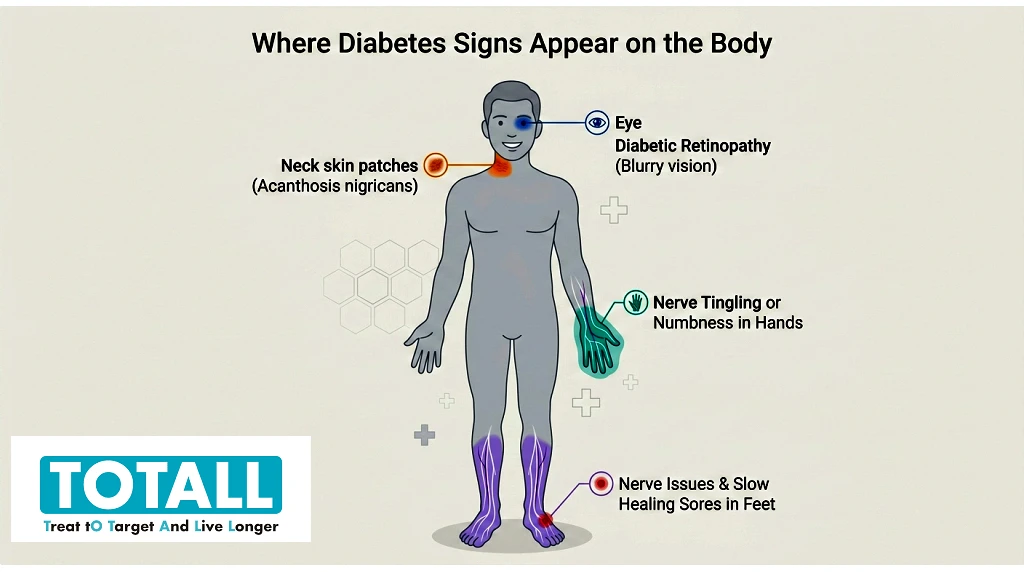
Signs of diabetes on the skin, eyes, feet and nerves
Some signs of diabetes are visible from the outside, and they are worth knowing because they often show up before a person feels unwell.
Skin
Look for dark, velvety patches on the back of the neck, armpits and groin, small skin tags, recurrent boils, itchy rashes in skin folds, and slow-healing sores. Yellowish, firm bumps and shin spots can also be associated with diabetes, though they are less common. Skin changes alone do not confirm diabetes, but dark neck patches in a young adult are a good reason to check sugar.
Eyes
Blurry vision is the common early sign. Diabetic retinopathy, damage to the retina, can be present without any symptoms in its early stages, which is the reason all people with diabetes need a dilated eye examination at diagnosis and then regularly. Waiting for vision to change means waiting until damage may already be significant.
Feet
Numbness, tingling, burning pain, cold feet, cracked heels, loss of hair on the toes and shins, and wounds that do not hurt are all warning signs. Feeling nothing is not a good sign. It is a sign of nerve damage, and it is why a small blister can go unnoticed. Seek care for any foot wound in a person with diabetes, however small it looks.
Nerves
Nerve damage, called neuropathy, can also affect the digestive system, bladder, heart rate and blood pressure. Feeling dizzy when you stand up, feeling full quickly, or having unexplained bowel changes can reflect this. Tests that assess nerve function, such as biothesiometry and autonomic testing, are part of the TOTALL Diabetes Scan.
Signs of diabetes at night and after eating
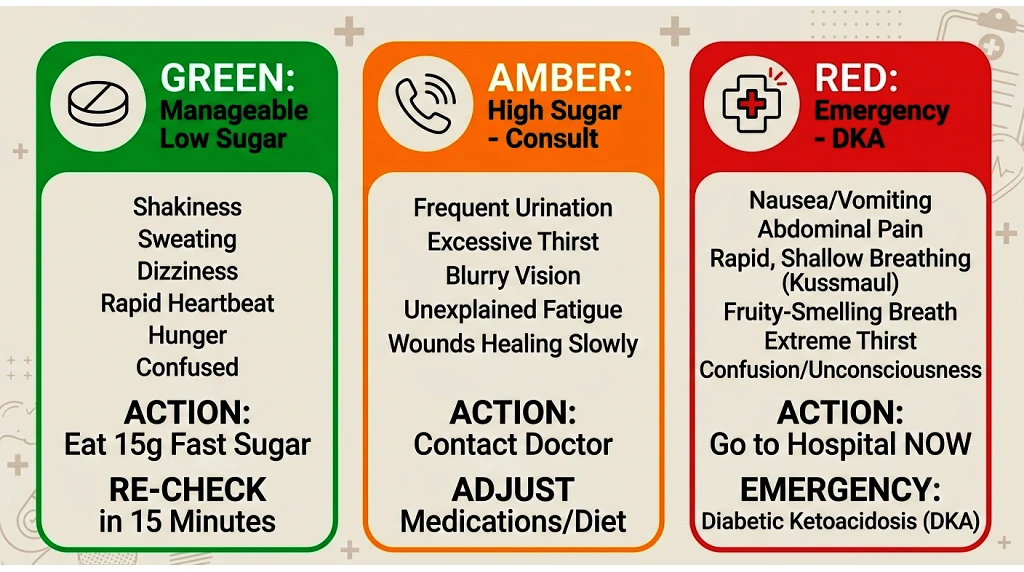
Many people search for signs of diabetes at night because that is when they notice them. Waking to pass urine more than once, waking with a dry mouth and an urgent need for water, leg cramps, restless sleep and itching that worsens in bed are all typical. If you are on insulin or certain tablets, night sweats, nightmares and waking with a headache can instead mean sugar has dropped too low.
Sleepiness after meals is a more difficult question. A drop in energy after a large, carbohydrate-heavy lunch is common in healthy people, and on its own it does not mean diabetes. It becomes more suggestive if it is severe, happens after most meals, and comes with thirst, frequent urination or blurry vision. In that case, a fasting and post-meal glucose test is the sensible next step.
High blood sugar versus low blood sugar
People often mix up the signs of high sugar and low sugar, and the difference matters because the actions are opposite.
| High blood sugar (hyperglycaemia) | Low blood sugar (hypoglycaemia) | |
|---|---|---|
| Speed | Builds over hours to days | Comes on within minutes |
| Typical signs | Thirst, frequent urination, tiredness, blurry vision, dry mouth | Shaking, sweating, fast heartbeat, hunger, confusion, irritability |
| Who gets it | Anyone with untreated or poorly controlled diabetes | Mostly people on insulin or sulfonylurea tablets |
| Usual level | Above about 180 mg/dL | Below 70 mg/dL |
| First action | Check sugar, drink water, contact your doctor | Take fast-acting sugar immediately, then recheck in 15 minutes |
Low sugar is not usually a sign of undiagnosed diabetes, although some people in the early stage of type 2 diabetes feel shaky a few hours after a carbohydrate-heavy meal because insulin release is delayed and then overshoots. If this happens regularly, mention it to your doctor.
Emergency signs: when to go to a hospital immediately
Diabetic ketoacidosis, or DKA, occurs when the body, short of insulin, burns fat so fast that acids called ketones build up in the blood. It is most common in type 1 diabetes and can be the first presentation. Go to an emergency room without delay for high sugar together with any of these: nausea or repeated vomiting, abdominal pain, fast deep breathing, a fruity smell on the breath, marked drowsiness or confusion.
People with type 2 diabetes can develop a related emergency called hyperosmolar hyperglycaemic state, with extremely high sugar, severe dehydration and confusion, usually over days. Do not wait at home and do not try to correct either condition with fluids or home remedies. Call 112 or go to the nearest hospital.
Prediabetes: the stage before diabetes
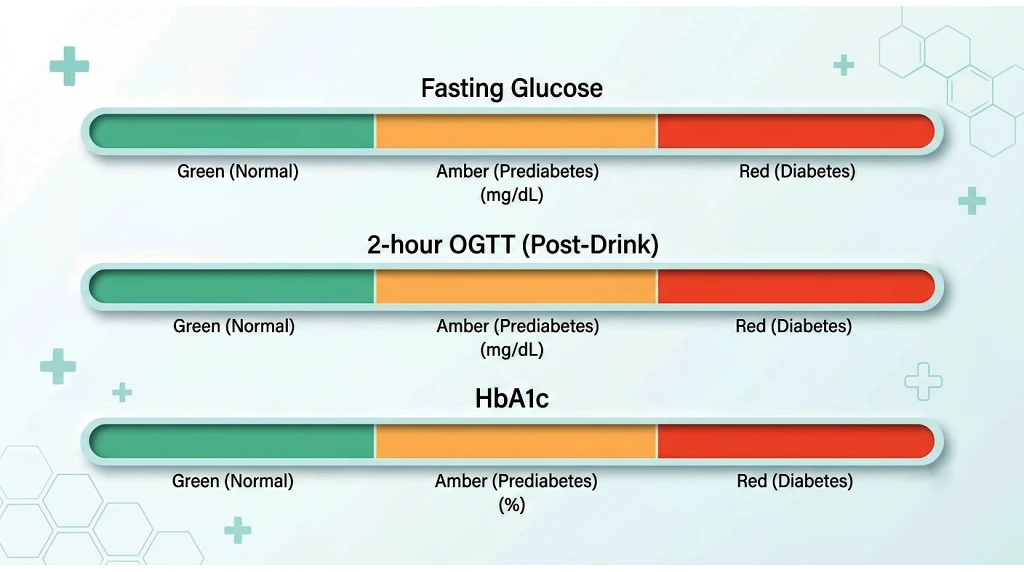
Prediabetes means blood sugar is higher than normal but below the level used to diagnose diabetes. It usually causes no signs of diabetes at all, and it is the best moment to act, because at this stage the progression can often be slowed or stopped. Fasting glucose of 100 to 125 mg/dL, a 2-hour glucose of 140 to 199 mg/dL after the glucose drink, or an HbA1c of 5.7% to 6.4% falls in this range.
The 2023 ICMR-INDIAB estimates put the number of Indians with prediabetes above the number with diabetes, so this is not a rare situation. Practical steps matter more than the label: reduce abdominal fat, move daily, sleep properly, and recheck your sugar once a year. Our guide on avoiding diabetes risk factors covers prevention, and our guide to fruit and diabetes answers a question many people ask first.
Conditions that look like diabetes
Several conditions share signs of diabetes, which is why a test is needed before concluding anything. An underactive or overactive thyroid can cause tiredness, weight change and mood changes. Anaemia causes fatigue and breathlessness. Anxiety can cause a dry mouth, shakiness and a racing heart. Urinary infections cause frequent urination. Pregnancy and menopause both change thirst, urination and sleep. Kidney disease can also cause tiredness and changes in urination.
Another point of confusion is diabetes insipidus. Despite the similar name, it is a different condition affecting the hormone that controls water balance, and it does not involve high blood sugar. It causes large volumes of very dilute urine and intense thirst. TOTALL treats this as well, and you can read about diabetes insipidus and thyroid diseases to compare. An endocrinologist can separate these conditions with a few simple tests.
How diabetes is diagnosed: the tests and the numbers
Signs of diabetes raise the question. Blood tests answer it. A doctor will usually use one or more of the following.
| Test | Normal | Prediabetes | Diabetes |
|---|---|---|---|
| Fasting plasma glucose (after at least 8 hours without food) | Below 100 mg/dL | 100 to 125 mg/dL | 126 mg/dL or higher |
| 2-hour glucose after a 75 g glucose drink (OGTT) | Below 140 mg/dL | 140 to 199 mg/dL | 200 mg/dL or higher |
| HbA1c (average sugar over about 3 months) | Below 5.7% | 5.7% to 6.4% | 6.5% or higher |
| Random glucose with classic signs of diabetes | 200 mg/dL or higher |
In a person without clear symptoms, one abnormal result is normally confirmed by a repeat test, since a single reading can be affected by illness, stress or lab variation. If sugar is very high and the classic signs are present, treatment does not wait.
Two points specific to India are worth knowing. First, HbA1c can be misleading in people with iron deficiency anaemia or inherited haemoglobin variants, both of which are common here, so an HbA1c result should be read alongside glucose values. Second, some people have normal fasting sugar but high sugar after meals, so a fasting test alone can miss diabetes. A post-meal reading or a glucose tolerance test closes that gap.
A glucometer at home is useful for monitoring, but a single high reading on a home device is a reason to get a laboratory test, not a diagnosis in itself. TOTALL’s pathology laboratory performs these tests, and you can see the available tests on our investigations page.
Who should get tested, and how often
Because type 2 diabetes can be silent, testing is based on risk, not only on symptoms. Consider a test now if any of the following apply to you:
- You are 30 or older. Many Indian guidelines suggest starting at 30, while the American Diabetes Association recommends starting at 35 for all adults.
- You are younger than that but have a BMI of 23 or higher, or a waist above about 90 cm in men or 80 cm in women. See our guides on BMI cutoffs for Indians and waist measurement.
- A parent, brother or sister has diabetes.
- You have high blood pressure, high cholesterol or fatty liver.
- You have PCOS, or you had gestational diabetes in the past.
- You have dark patches on the neck or armpits.
- You have any of the signs of diabetes described in this guide.
If the result is normal, repeat it every one to three years, or yearly if you remain at higher risk. If it shows prediabetes, an annual test is the minimum. Anyone with confirmed diabetes needs a regular schedule that covers sugar control, kidneys, eyes, feet, heart and nerves. We explain how diabetes affects each organ in how diabetes affects the body.
What to do if you notice these signs
If you recognise several of these signs of diabetes in yourself or a family member, a sensible sequence looks like this.
First, arrange a fasting blood glucose and an HbA1c at a reliable laboratory, ideally together with a post-meal glucose. You do not need to change your diet before the test, and doing so can hide the result. Second, show the report to a doctor, preferably an endocrinologist or diabetologist, because the type of diabetes and the right treatment plan depend on details that a number alone does not give. Third, if the test confirms diabetes, ask about screening for complications at the start, because some are already present at diagnosis in type 2 diabetes.
On home remedies: no herb, powder, juice or drink diagnoses or treats diabetes. Some foods may help with sugar control within a proper plan, but starting them in place of a diagnosis can cost you months. If a doctor has already started medication, never stop it because you feel better or because a remedy was suggested. The same applies to herbal or Ayurvedic products sold as sugar cures: bring them to your appointment so the doctor can check for interactions.
Go to a hospital the same day for repeated vomiting, abdominal pain, fast breathing, confusion, extreme drowsiness, sudden loss of vision or a foot wound with redness and swelling.
Diabetes testing and care in Indore at TOTALL
If you live in Indore, Ujjain, Dewas or elsewhere in Madhya Pradesh, you can get tested and see an endocrinologist at TOTALL Diabetes Hormone Institute. TOTALL was founded by Dr. Sunil M Jain, who has practised in Indore since 1995, and works with a team of consultants in diabetes, thyroid, obesity and hormonal care. Read more about TOTALL and Dr. Jain’s message as chairman.
The Diabetes Scan and Diabetes Full Body Scan (DFBS)
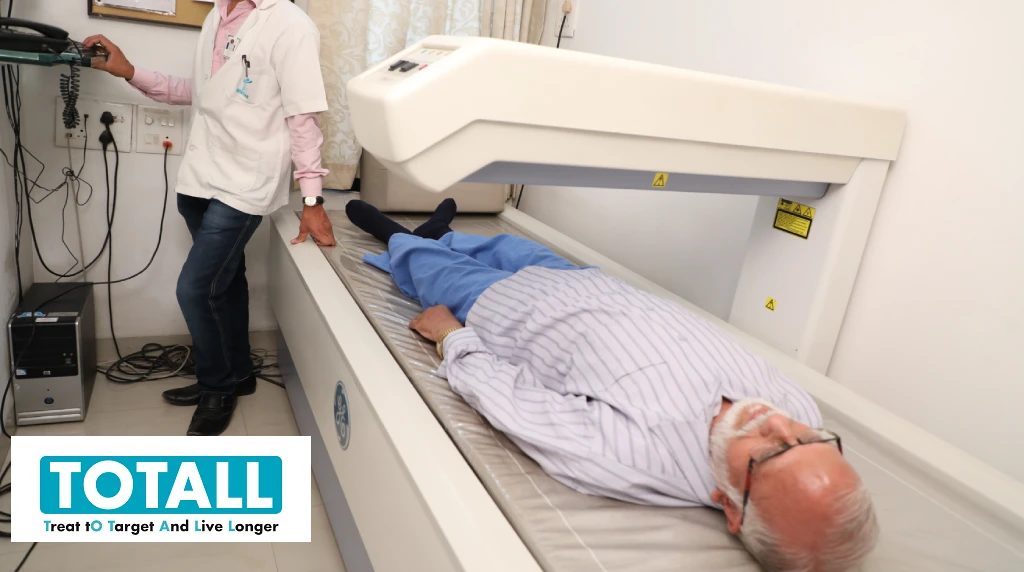
Once diabetes is confirmed, or if you already live with it, the key question changes from “do I have it” to “what is it doing to my organs”. TOTALL offers a Diabetes Body Checkup built around that question. The Diabetes Scan is designed as an annual report card of the organs diabetes can affect. According to TOTALL, it includes blood sugar tests (fasting, post-meal and HbA1c), kidney and liver tests, lipid profile, urine tests including microalbuminuria, TSH, chest X-ray, abdominal ultrasound, ECG, vascular Doppler of all four limbs, a podiatry scan, nerve sensitivity testing, thermal perception testing, a cardiac autonomic neuropathy test and a diet consultation. The Diabetes Full Body Scan adds a DEXA bone scan, echocardiography, a treadmill test and an eye and retina examination. TOTALL states that the scan takes about four to five hours and can be done fasting or non-fasting.
These packages are not meant for a first sugar test. If you only suspect diabetes, begin with the basic blood tests above and a consultation. If you want a general health review without a diabetes focus, see the body checkup packages. For continuing care, TOTALL also provides sugar control support, continuous glucose monitoring, and a patient app, the TOTALL Touch app, for storing glucose readings and records.
Book a diabetes test or consultation in Indore
TOTALL Diabetes Hormone Institute, BCM Health Island, Scheme No 54 (near Bombay Hospital and behind Prestige Management Institute), Indore, Madhya Pradesh 452010.
Open Monday to Saturday, 8:00 AM to 8:00 PM. Sunday closed.
Call 0731 244 3344 or 093024 43344, message on WhatsApp, or book an appointment online. For directions see our contact page.
डायबिटीज के लक्षण (हिंदी में सार)
डायबिटीज के सबसे आम लक्षण हैं: बार-बार पेशाब आना, बहुत प्यास लगना, भूख ज्यादा लगना, थकान रहना, धुंधला दिखना, घाव का देर से भरना, बार-बार संक्रमण होना और बिना कोशिश के वजन घटना। टाइप 2 डायबिटीज में कई लोगों को सालों तक कोई लक्षण महसूस नहीं होता, इसलिए सिर्फ लक्षणों का इंतजार न करें। खाली पेट शुगर और HbA1c की जांच कराएं।
अगर उल्टी, पेट दर्द, तेज गहरी सांस या बेहोशी जैसी स्थिति के साथ शुगर बहुत ज्यादा हो, तो तुरंत अस्पताल जाएं। घरेलू नुस्खों के भरोसे न रहें। इंदौर में जांच और परामर्श के लिए TOTALL में 0731 244 3344 पर संपर्क करें।
Frequently asked questions about the signs of diabetes
What are the first signs of diabetes?
The first signs of diabetes are usually passing urine more often and feeling unusually thirsty, followed by tiredness, increased hunger and blurry vision. In type 2 diabetes these may be so mild that they go unnoticed, and some people have no early signs at all. A blood test is the only way to know.
What are the three main symptoms of diabetes?
The three classic symptoms are frequent urination (polyuria), excessive thirst (polydipsia) and increased hunger (polyphagia). They are often called the three Ps. They appear because excess sugar in the blood pulls water out through the urine and the body’s cells cannot use the glucose for energy.
Can you have diabetes and not know it?
Yes. Type 2 diabetes often causes no symptoms for years, and many people are diagnosed only at a routine test or when a complication appears. The ICMR-INDIAB study found far more people with prediabetes than with diabetes in India, which is why testing is advised even if you feel well.
Do the signs of diabetes come and go?
They can. Symptoms such as blurry vision, thirst and tiredness may vary with blood sugar levels, which rise and fall through the day and after meals. A symptom that eases does not mean diabetes has gone away. If signs keep returning for more than two weeks, get a blood test.
Can I have the signs of diabetes with a normal blood sugar report?
Diabetes is diagnosed by blood sugar values, so a clearly normal fasting glucose, post-meal glucose and HbA1c means the symptoms have another cause, such as a thyroid problem, anaemia, infection or anxiety. However, a fasting test alone can miss high post-meal sugar, so ask your doctor whether a post-meal reading or glucose tolerance test is needed.
What are the early signs of diabetes in women?
Women may notice the usual signs of thirst, frequent urination and tiredness, along with repeated vaginal yeast infections, urinary infections, irregular periods or other features of PCOS. Women with PCOS or a history of gestational diabetes should be tested regularly even without symptoms.
What are the signs of diabetes in men?
Men can have the classic signs as well as erectile difficulty, low sexual desire, fatigue, loss of muscle strength and skin or genital infections. These are sometimes blamed on age or stress. If they appear along with thirst, frequent urination or a growing waistline, a blood sugar test is reasonable.
Is feeling sleepy after eating a sign of diabetes?
Not by itself. A dip in energy after a heavy meal is common in healthy people. It suggests diabetes only when it is marked and frequent, and appears with thirst, frequent urination, blurry vision or weight loss. In that case, a fasting and post-meal glucose test is worthwhile.
What are the signs of diabetes at night?
Typical night-time signs are waking to pass urine, waking with a dry mouth and thirst, leg cramps, itching and restless sleep. In people using insulin or some tablets, night sweats, nightmares or a morning headache can signal low blood sugar instead of high blood sugar.
At what age do the signs of diabetes usually start in Indians?
Type 1 diabetes often starts in childhood or young adulthood. Type 2 diabetes in Indians commonly appears in the 30s and 40s, earlier than in many Western populations, and sometimes at a lower body weight. Because of this, testing from around age 30, or earlier with risk factors, is recommended.
Which test should I take first if I notice signs of diabetes?
Start with a fasting plasma glucose and an HbA1c, ideally with a post-meal glucose, at a reliable laboratory. Do not change your diet beforehand. Take the report to an endocrinologist or diabetologist, who will confirm the diagnosis, identify the type and plan treatment.
Where can I get tested for diabetes in Indore?
You can get blood sugar tests and consult an endocrinologist at TOTALL Diabetes Hormone Institute, BCM Health Island, Scheme No 54, Indore. It is open Monday to Saturday from 8:00 AM to 8:00 PM. You can call 0731 244 3344 or book through the appointment page on this website.
References and further reading
- American Diabetes Association. Standards of Care in Diabetes, section on diagnosis and classification. professional.diabetes.org.
- World Health Organization. Diabetes fact sheet. who.int.
- NHS. Type 2 diabetes symptoms. nhs.uk.
- Centers for Disease Control and Prevention. Diabetes symptoms. cdc.gov.
- International Diabetes Federation. IDF Diabetes Atlas. diabetesatlas.org.
- Ministry of Health and Family Welfare, India. Diagnosis and management of gestational diabetes mellitus, technical and operational guidelines.
About this article. Medically reviewed by Dr. Sunil M Jain, Chairman and Managing Director of TOTALL Diabetes Hormone Institute (Madhya Pradesh Medical Council registration MP-2912, MCI registration 13607).